

shade sound and staging for sunny day magic shows
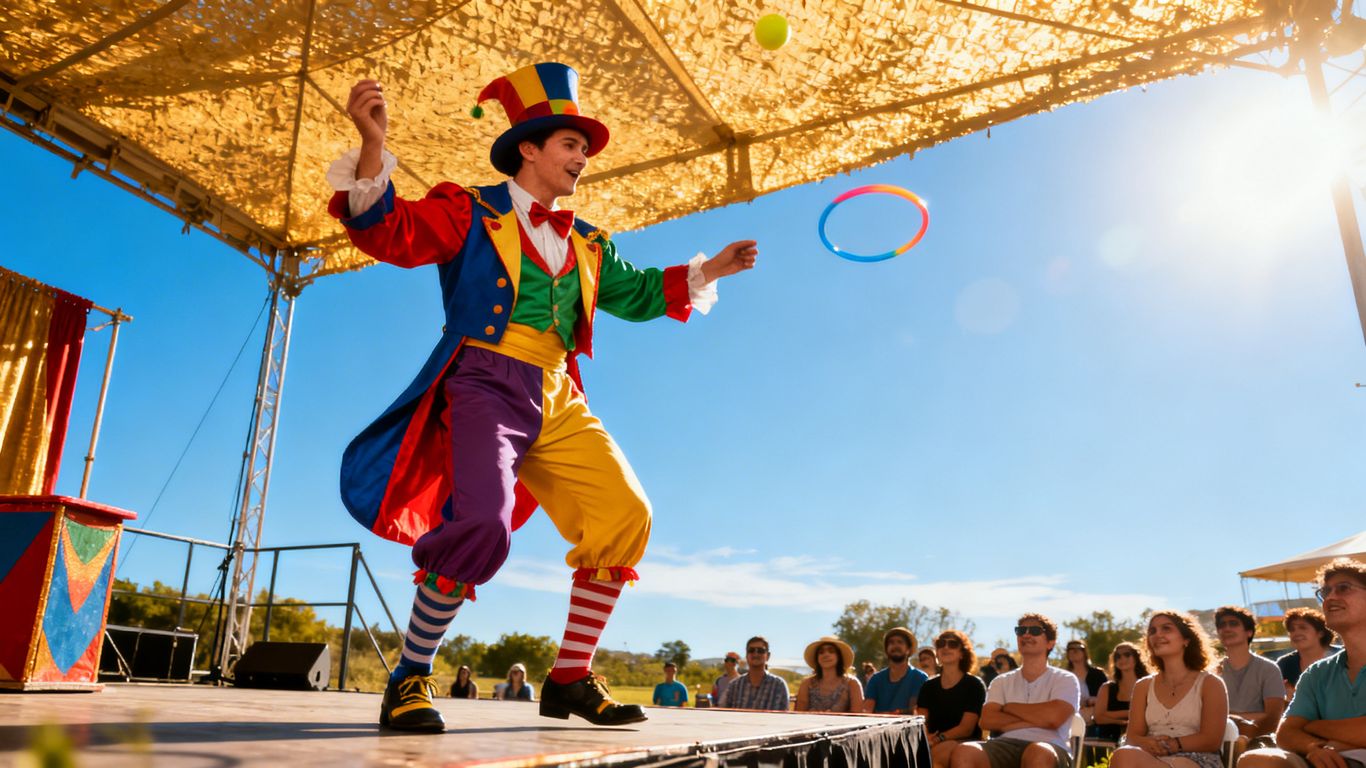
Putting on a magic show outside when the sun is shining can be a real treat for everyone involved. We’ve been thinking a lot about how to make these sunny day performances the best they can be, focusing on the practical side of things. It’s not just about the tricks; it’s about the whole setup. We want to make sure the audience can see and hear everything clearly, and that the performance space itself looks good. Getting the outdoor magic show setup right makes a big difference.
Key Takeaways
- We need to think carefully about where we set up our performance space to make sure everyone has a good view and is comfortable, especially with the sun.
- Sound is a big deal when you’re outside. We have to figure out how to make sure our voices and any music can be heard over the sounds of the outdoors.
- The look of our stage matters too. We want it to be interesting and work well with the natural light, not against it, for a great outdoor magic show setup.
Creating The Perfect Outdoor Magic Show Setup
Putting on a magic show outside presents its own set of challenges, but with a bit of planning, we can make sure our audience has a great time. It’s all about setting the stage so the magic can shine, even with the sun beating down.
Strategic Shade Solutions For Your Performance
When we’re performing outdoors, the sun can be a real distraction, both for us and for the people watching. We need to think about how to keep everyone comfortable and focused on the magic. Finding the right spot with natural shade is always the first thing we look for. If that’s not possible, we’ll need to bring our own. Think about pop-up canopies, large umbrellas, or even temporary fabric screens. These don’t just keep the sun off; they also help define the performance area, making it feel more like a dedicated space for the show. We want to avoid harsh shadows that can hide important moments or bright spots that make it hard to see. A consistent, soft light is best.
Here are some ideas for shade:
- Canopies: Easy to set up and provide good coverage. Look for ones that are sturdy enough for a bit of wind.
- Large Umbrellas: Good for smaller setups or as an addition to other shade.
- Fabric Drapes: Can be hung from poles or existing structures to create a shaded zone.
- Natural Features: Utilize trees or building overhangs if available.
We need to consider the angle of the sun throughout the day. A spot that’s shaded in the morning might be in direct sun by the afternoon. It’s worth scouting the location at the time you plan to perform.
Optimizing Sound For Open-Air Audiences
Sound is another big one. Outdoors, sound tends to scatter, and background noise can easily drown out our patter and the subtle sounds of our tricks. We can’t just rely on our normal speaking voice. We’ll likely need a portable sound system. This usually means a good quality microphone and a speaker that can project clearly without being painfully loud. We want the audience to hear every word and every magical sound effect, but we don’t want to overwhelm them or disturb neighbors. Testing the sound in the actual performance space before the show starts is absolutely necessary. Walk around the audience area and listen. Can you hear everything clearly from the back row? Is there any feedback or distortion?
Here’s a quick checklist for sound:
- Microphone: A headset mic keeps your hands free, which is great for magic.
- Amplifier/Speaker: Choose one that’s powerful enough for the space but not overkill.
- Power Source: Make sure you have a reliable way to power your equipment, like a battery pack or a long extension cord.
- Sound Check: Always do a thorough sound check before the audience arrives.
Enhancing The Visual Spectacle Of Your Outdoor Magic
Designing A Stage That Captivates In Sunlight
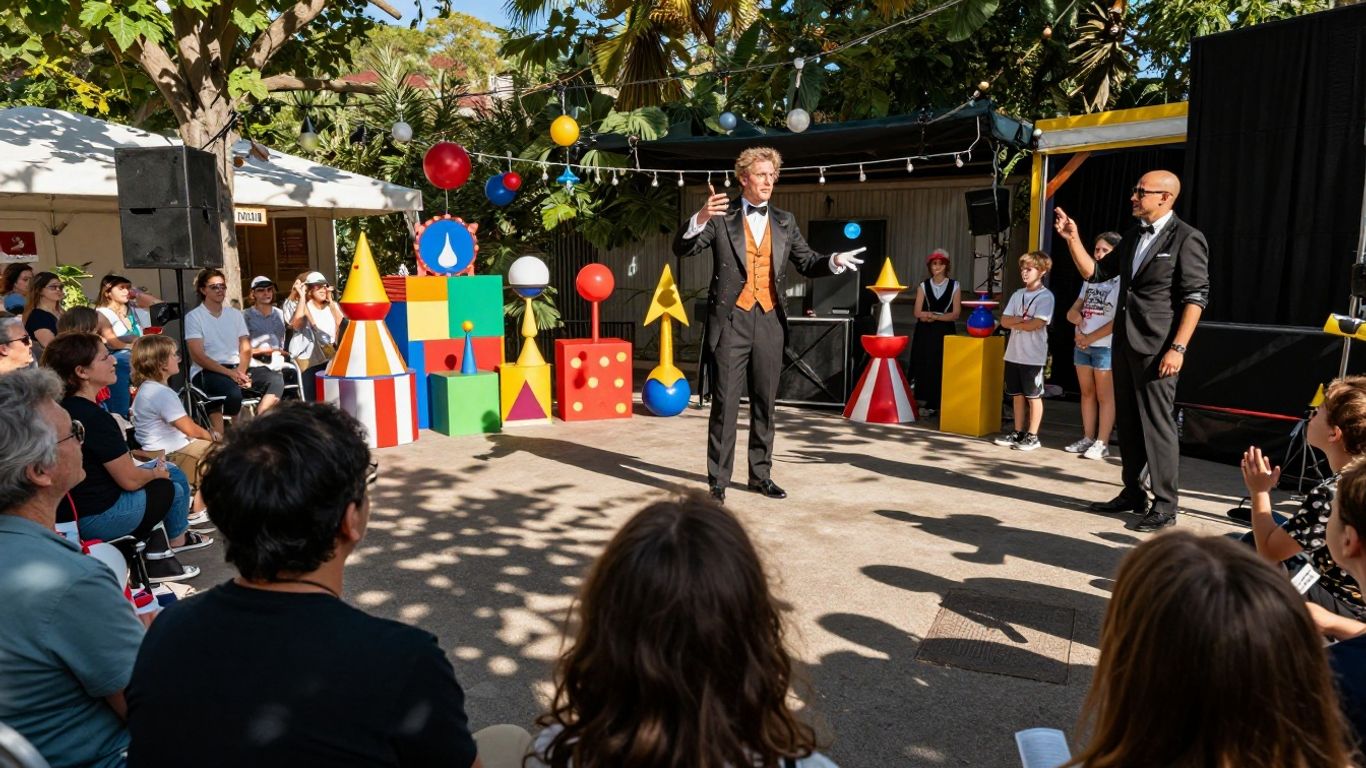
When we take our magic shows outside, the stage itself becomes a character. We need it to grab attention, even with the sun shining bright. Think about the backdrop. A plain white sheet might disappear in the glare. We’ve found that richer, darker colors or patterns with good contrast work much better. They stand out and give the audience something solid to focus on. We also consider the height. A slightly raised platform helps everyone see, especially if there are kids in the front row. It’s not just about looking good; it’s about making sure the magic is visible.
The stage should feel like a special place, even in a park. We often use simple fabric drapes or even lightweight wooden panels. These can be decorated to fit the show’s theme. For instance, a pirate-themed show might have a backdrop that looks like a ship’s sail, while a fairy tale show could use flowing, colorful fabrics.
Here are some ideas we use:
- Color Choice: Opt for deep blues, purples, or even a rich red. Avoid pastels or white that can wash out.
- Texture: Interesting textures can catch the light and add depth. Think about velvet, satin, or even rougher materials like burlap for a rustic feel.
- Height: Even a few inches can make a difference. A small riser ensures better sightlines.
- Props: Incorporate props that are visible from a distance. Large, bold items work best.
We learned early on that a flimsy, temporary setup just doesn’t cut it. It needs to look professional and hold up to the elements. We aim for something that feels sturdy and intentional.
Managing Natural Light For Maximum Impact
Sunlight is a double-edged sword for outdoor magic. It can make things look bright and cheerful, but it can also create harsh shadows and make it hard for the audience to see what’s happening. We have to work with the sun, not against it.
One of the biggest challenges is glare. It can bounce off shiny surfaces, making them hard to see, and it can make it difficult for the audience to focus on the performer. We’ve experimented with different times of day. A show in the late afternoon, when the sun is lower, often provides softer light than a midday performance. If we have to perform when the sun is high, we try to position ourselves so the sun is behind us, casting shadows forward onto the performance area. This way, the audience is looking into a slightly dimmer space, and our props and movements are clearer.
We’ve found that simple adjustments can make a big difference. Sometimes, just turning a table slightly or adjusting the angle of a prop can prevent a distracting glare. It’s all about observation and quick thinking.
We also consider how light affects our props. Some materials might look dull in direct sun, while others might sparkle. We choose our props with this in mind. For example, a silk scarf might be vibrant, but if it’s a thin, light color, it might get lost in the brightness. A thicker, darker scarf often performs better visually outdoors. We also think about reflective surfaces. While they can be magical, too much reflection can be overwhelming. We use them sparingly or in areas where we can control the light hitting them. Our goal is to make the magic pop, not disappear into the brightness.
Wrapping Up Our Sunny Day Magic
So, we’ve talked about how important shade, sound, and setting up your stage are for a great magic show when the sun is out. It’s not just about the tricks themselves, you know? We found that getting these things right really makes a difference for everyone watching. Think about it: a cool spot to sit, clear audio so you don’t miss a word, and a stage that looks good and works well. These details help make the whole experience better, for us performing and for the audience enjoying the show. We hope these ideas help you create some truly magical sunny day performances.
Frequently Asked Questions
How can we make sure our magic show audience can see us clearly when it’s bright outside?
To ensure everyone can see the magic, we should pick a spot that isn’t in direct, harsh sunlight. Using tents, canopies, or even large umbrellas can create a shaded area for our performance. This helps the audience focus on the tricks, not squinting.
What’s the best way to make sure our voices can be heard over the noise of an outdoor show?
For clear sound outdoors, we need to use a good sound system. Microphones and speakers that can handle open spaces are key. We should also speak clearly and a bit louder than usual, aiming the sound towards where our audience is sitting.
How do we design a stage that looks cool and works well in the sun?
When building our stage for a sunny day, we want it to be visible. Bright colors or simple, bold designs work well. We should also think about how the sun hits the stage at different times of the day and make sure our props and ourselves aren’t hidden in shadows or washed out by glare.
