

planning shade friendly outdoor magic that works in may
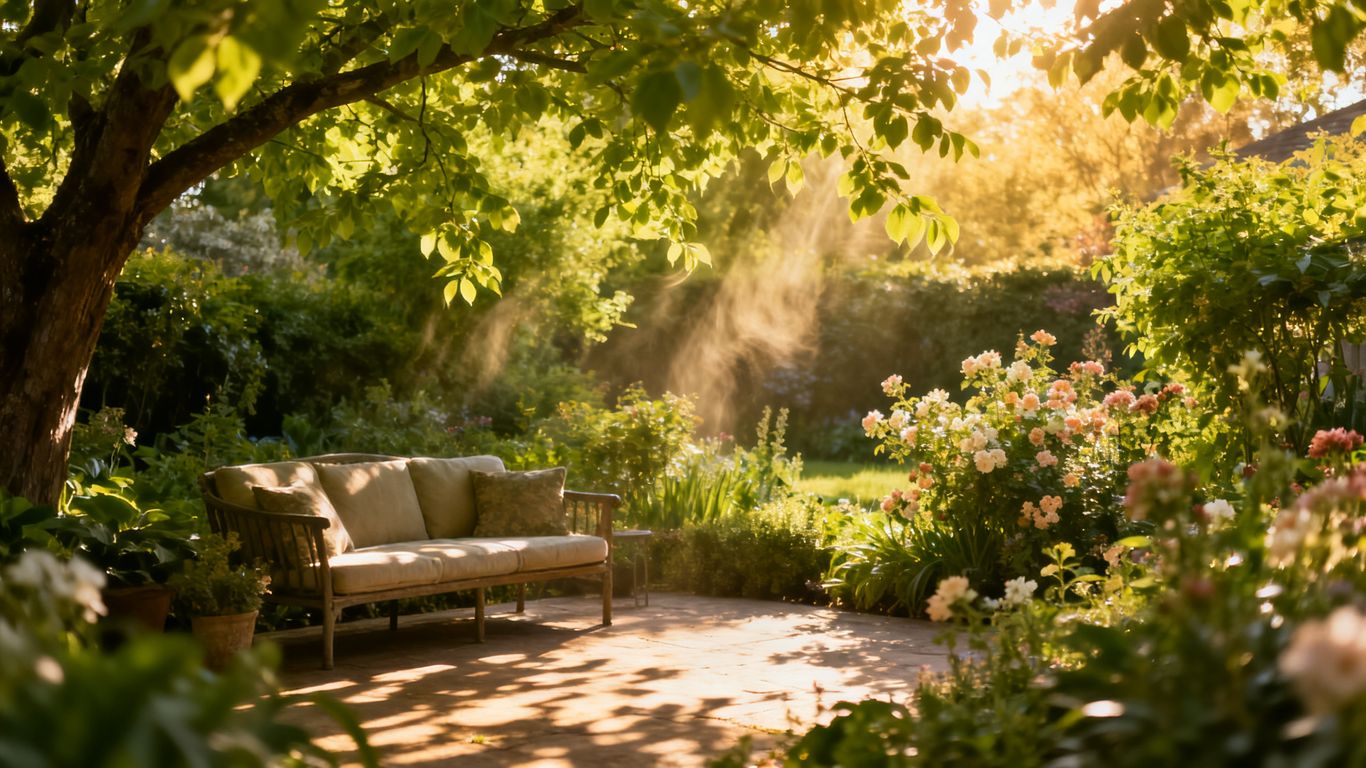
Planning outdoor magic shows for May can be a lot of fun. We want to make sure our performances are magical, even with the weather. This guide will help us pick the right spot and get our gear ready. We’ll also look at how to handle the sun and wind, and how to keep everyone watching.
Key Takeaways
- We need to choose a good place for our outdoor magic shows. Think about where people can see and hear us easily.
- Our magic tricks need to work well outside. We should think about how sunlight and wind might change how they look.
- Keeping the audience interested is important. We’ll share tips on how to get everyone involved when we’re performing outside.
Creating Enchanting Outdoor Magic Shows
Putting on a magic show outside, especially when the weather’s nice in May, can be a really special experience. We want to make sure our audience is captivated, no matter where they’re sitting. It’s not just about the tricks themselves, but how we present them in an open-air setting.
Selecting The Perfect Performance Space
Choosing where to perform is a big deal for outdoor magic. We need a spot that’s easy for people to see and hear us, but also one that works with the magic. Think about the natural light – bright sun can wash out some effects, and shadows can hide things we want seen. We also need to consider the background. A busy street or a distracting playground might pull attention away from the performance. Ideally, we’re looking for a relatively flat area with a bit of space for us to move and for the audience to gather comfortably. A gentle slope can actually help with sightlines, letting people in the back see better.
- Consider the audience size: A small gathering might work well in a garden nook, while a larger crowd needs more open space.
- Check for natural stages: A slightly raised patio or a clear patch of lawn can serve as a natural focal point.
- Think about sound: Wind can be a challenge. We might need to speak a bit louder or choose tricks that don’t rely heavily on quiet, spoken instructions.
- Sunlight and shadows: Plan your show times to avoid direct, harsh sunlight on your performance area if possible. Late afternoon can often provide softer light.
Essential Equipment For Outdoor Magic
When we take our magic outside, our gear needs to be a bit more robust and practical. We can’t rely on a table that’s going to blow over in the breeze, and anything too delicate might get damaged. Portability is key, too. We need to be able to set up and pack down without a fuss.
Here’s a quick rundown of what we usually bring:
- A sturdy table: One with a wide base or weights to keep it grounded. A folding table is great, but make sure it’s not flimsy.
- Sound amplification: Even for small crowds, a portable speaker can make a huge difference so everyone can hear your patter.
- Props that are easy to handle: Avoid small, fiddly items that can get lost in the grass or blown away. Larger, more visible props work best.
- A backdrop (optional but helpful): This can help define the performance space and block out distracting backgrounds. A simple screen or even a portable banner can work.
- A kit for quick fixes: Things happen outdoors. A bit of tape, some string, maybe a small toolkit can save the day if something comes loose.
We want our equipment to support the magic, not become a distraction. It should look professional and be reliable, even if we’re just performing in a park. Simple, effective, and easy to manage – that’s the goal.
Mastering The Elements For Memorable Performances

When we take our magic shows outdoors, especially in May, we’re dealing with a whole new set of conditions. The sun, the wind, even the ambient noise – they all play a part in how our performance is received. We need to think about how these elements affect our tricks and, more importantly, our audience.
Adapting Tricks For Sunlight And Breeze
Sunlight can be a real challenge. Bright light can wash out colors, making props harder to see. It can also create glare on shiny surfaces, which might give away a secret or just be distracting. We’ve found that using props with strong, contrasting colors works best. Think bold reds, blues, and yellows, rather than pastels. Also, consider the shadows. Sometimes, you can use the sun to your advantage, creating dramatic shadows, but other times, you need to position yourself so the sun isn’t directly in your audience’s eyes or creating confusing shadows on your performance area.
Wind is another big one. A gentle breeze can be nice, but a strong gust can ruin a trick. We’ve learned to secure everything down. Small weights in the corners of tablecloths, tape for lighter props, and even choosing tricks that don’t involve a lot of loose paper or lightweight items are good strategies. For tricks that require delicate handling, we might need to practice them with a fan blowing, just to get a feel for how the wind will affect them. It’s all about anticipating what could go wrong and having a backup plan.
Engaging Your Audience In Open Air
Performing outside means your audience isn’t as contained as they are in a theater. There are distractions everywhere – birds, passing cars, people walking by. To keep their attention, we need to be even more dynamic. This means:
- Projecting our voice: We need to speak clearly and loudly enough to be heard over background noise. Using a small, portable microphone can be a lifesaver.
- Using bigger movements: Smaller, subtle gestures can get lost. We use larger, more visible movements to draw the eye.
- Incorporating the environment: Sometimes, you can use the sounds of nature or even a passing siren as part of the show, making it feel more spontaneous and connected to the moment.
- Audience participation: Getting people involved directly helps them focus. Asking questions, bringing volunteers up, or having them make a sound can pull them in.
We’ve noticed that when performing outside, the energy of the space itself can be a powerful tool. Instead of fighting the elements, we try to work with them. This often leads to more memorable and surprising moments for everyone involved.
We also need to be mindful of the time of day. A show at noon will have different lighting and heat conditions than one in the late afternoon. Planning your performance time to take advantage of softer light and cooler temperatures can make a big difference in both your comfort and the audience’s experience.
Wrapping Up Our Shady May Garden Plans
So, we’ve talked about how to get your garden looking good in May, even when the sun’s not always out. It’s not too late to make some changes. Think about what plants like a bit of shade and where you can put them. We’ve covered some ideas, and hopefully, they’ve given you a good starting point. Getting your outdoor space just right takes a little thought, but it’s worth it when you can enjoy it. Don’t be afraid to experiment a bit; sometimes the best results come from trying something new. We hope this helps you create a lovely, shady spot for the season ahead.
Frequently Asked Questions
How can we make our outdoor magic shows look amazing in May?
To create a magical outdoor show in May, we should first pick a spot that’s easy for everyone to see and hear us. Think about a place with some natural shade, maybe under a big tree or near a building, so the sun doesn’t bother our audience or make our props hard to see. We also need to make sure we have the right gear. Simple, sturdy props work best outdoors. Things that are too small or delicate might get lost in the wind or bright light. We want our magic to pop, even with the sun shining!
What are the best ways to handle wind and sun during our outdoor magic performances?
Dealing with nature’s elements is key for outdoor magic. We’ll need to adjust our tricks. For instance, if a trick relies on a light object, we might need to weigh it down or choose a different trick altogether if it’s too windy. Bright sunlight can wash out colors, so we should use props with bold, contrasting colors. Also, we can use the sunlight to our advantage, perhaps with shadow puppets or by making things disappear into the light! Engaging the crowd is super important too. We should encourage them to cheer, clap, and maybe even come a little closer (safely, of course!) to feel the magic.
What kind of magic tricks are good for performing outside in May?
When planning our May outdoor magic, we should focus on tricks that are visually strong and not easily affected by the weather. Big, colorful silks or large cards are great because they’re easy to see from a distance. Tricks involving ropes or scarves often work well. We could also try illusions that use shadows or light, which can be extra cool outdoors. Avoid tricks with tiny pieces or anything that needs perfect stillness, as the wind can be tricky. It’s all about picking magic that’s robust and exciting for an open-air setting.
