

The Evolution of Magic Shows at Seasonal Events
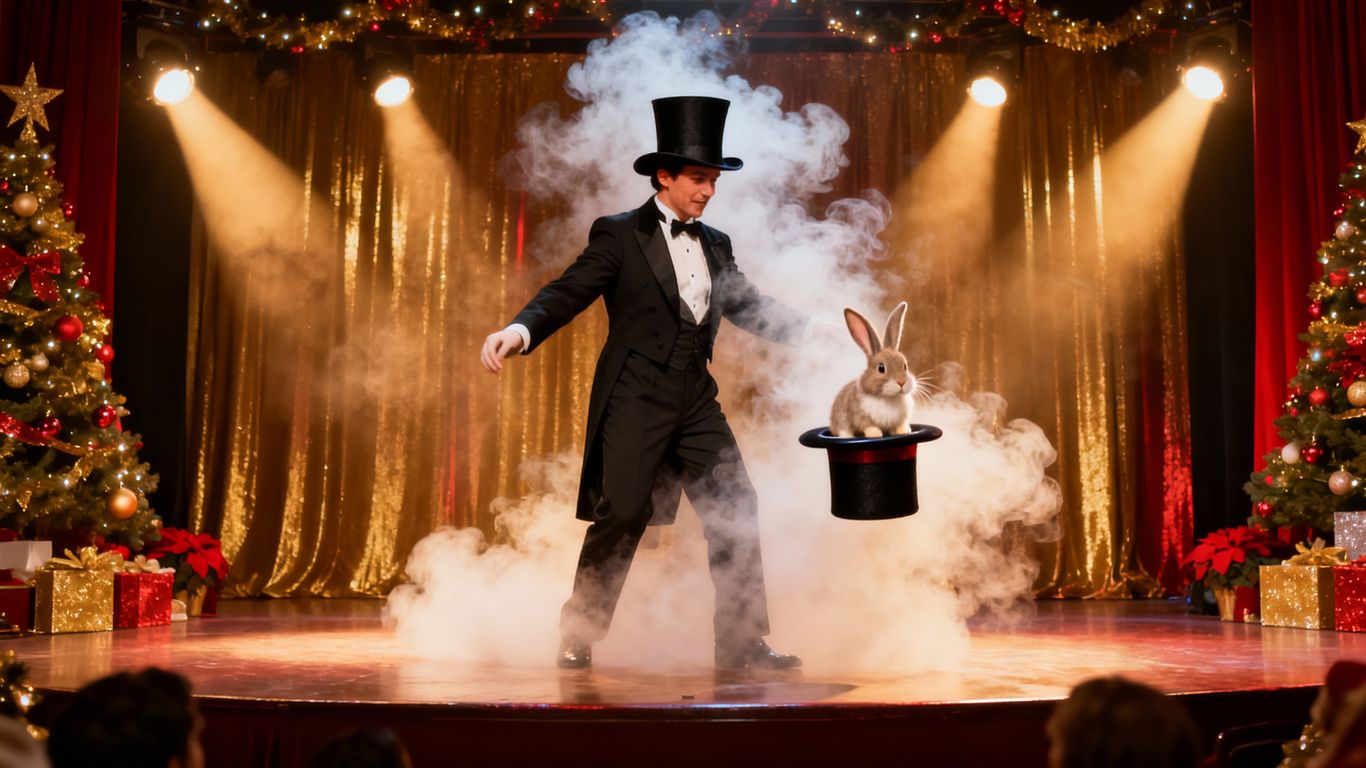
We’ve watched magic shows change a lot over the years, especially when they pop up at seasonal events. It’s fascinating to see how performers adapt their acts for different holidays and festivals. We’ll look at how these shows went from simple tricks to big productions and what makes them so special for festive crowds.
Key Takeaways
- Magician performances at seasonal events have shifted from basic traveling acts to elaborate, themed productions designed to fit the spirit of the occasion.
- Modern magician performances at festivals increasingly involve the audience, making the experience more personal and memorable for attendees.
- Technology now plays a bigger role in magician performances, allowing for more visually stunning illusions and interactive elements that captivate festive audiences.
From Traveling Troupes To Themed Spectacles
We’ve seen a big shift in how magic is presented at seasonal events over the years. It wasn’t always the elaborate, themed shows we see today. Back in the day, magic was often brought to us by traveling magicians. These performers, often working solo or with a small troupe, would set up shop wherever they could find an audience. Think fairs, town squares, and yes, even early seasonal gatherings. Their acts were usually more intimate, focusing on close-up tricks and illusions that could be performed with minimal setup. We’d gather around, amazed by a coin vanishing or a card appearing from nowhere. It was personal, direct magic.
The Rise Of The Traveling Magician
These early magicians were the lifeblood of entertainment for many communities. They’d move from town to town, their arrival often a highlight of the local calendar. Their performances were a mix of skill, showmanship, and a bit of mystery. We’d watch them pull rabbits from hats, saw assistants in half (a classic, right?), and make things disappear right before our eyes. It was a simpler time for magic, but no less captivating. The focus was on the magician’s direct connection with the audience, building rapport and creating a shared sense of wonder.
Seasonal Events Embrace Grand Illusion
As seasonal events grew in size and ambition, so did the expectations for their entertainment. We started seeing a move towards larger-scale productions. Instead of just a single magician on a small stage, events began to feature more elaborate shows. This meant bigger illusions, more dramatic presentations, and a greater emphasis on creating a full spectacle. Think of the grand theaters that started hosting magic shows, or the dedicated stages built for these events. The magic wasn’t just a trick anymore; it was becoming an immersive experience, designed to awe and amaze larger crowds. This transition marked a significant evolution in how magic was integrated into the fabric of seasonal celebrations.
Here’s a look at how the scale of performances changed:
| Event Type | Typical Magic Act (Early) | Typical Magic Act (Later) |
|---|---|---|
| Town Fair | Solo performer, close-up | Small stage show, illusions |
| Seasonal Festival | Small troupe, parlor tricks | Larger stage, grand illusions |
| Amusement Park | Limited presence | Dedicated magic show venue |
We also saw the themes of these events start to influence the magic itself. A Halloween event might feature spooky illusions, while a winter festival could have magical snow effects. It was all about making the magic fit the mood of the season.
Innovations In Magician Performances For Festive Audiences
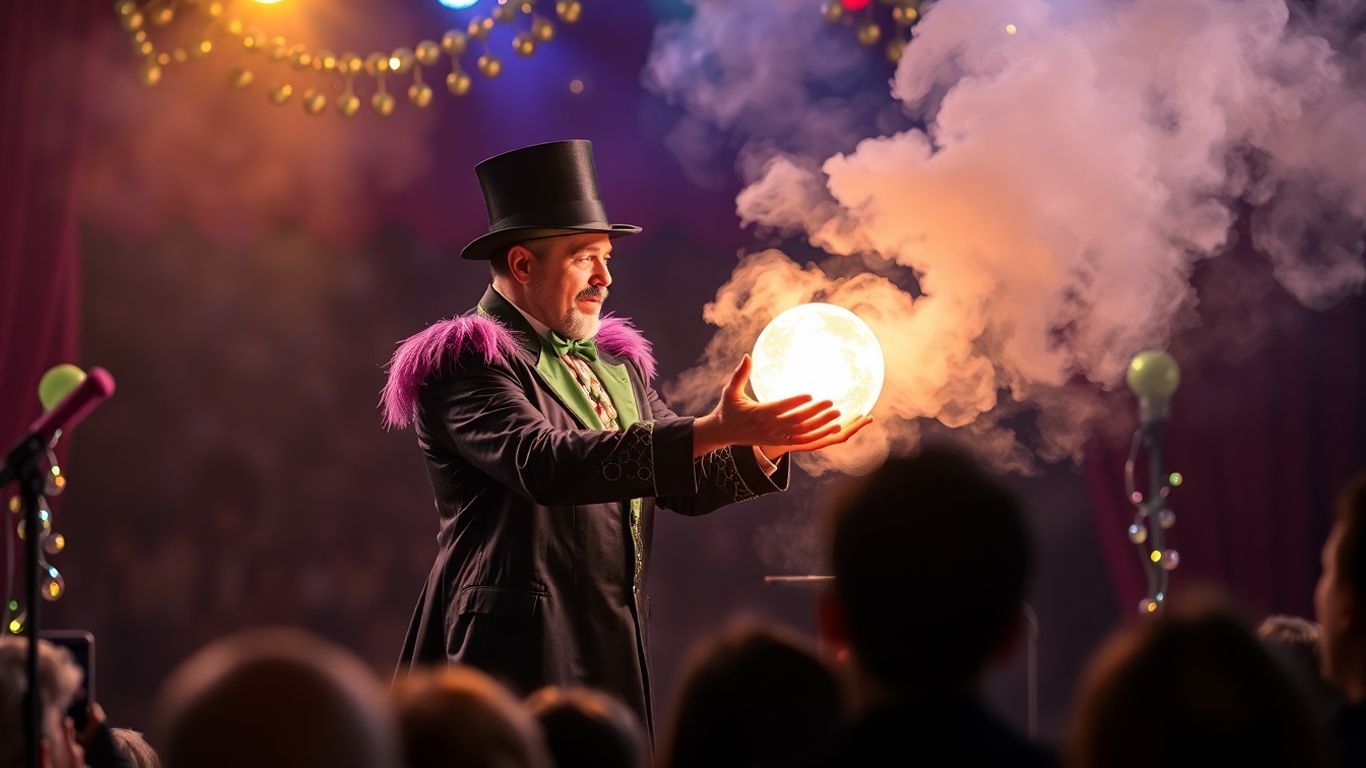
As we’ve seen magic shows evolve, especially for seasonal events, a few key changes really stand out. It’s not just about pulling a rabbit out of a hat anymore, though that’s still a classic! We’re talking about shows that feel more alive, more connected to the people watching. The goal is to make the magic feel personal, even in a big crowd.
Interactive Magic And Audience Participation
One of the biggest shifts we’ve noticed is how much more audiences are part of the show. Gone are the days when magic was something you just watched from afar. Now, performers actively invite people from the crowd to join them on stage, or even participate from their seats. This could be anything from selecting a card to having a small object vanish from their own hand, guided by the magician. It really makes the experience more memorable for everyone involved.
- Making the audience feel like a co-creator of the magic is key.
- We’ve seen magicians use simple questions to guide a trick, making each show unique.
- Sometimes, a whole section of the show is built around a volunteer’s reactions and choices.
- This approach helps break down the barrier between performer and spectator, creating a shared moment of wonder.
The Integration Of Technology In Modern Magic
Technology has also opened up a whole new world for magicians at seasonal events. It’s not about replacing the classic skills, but adding layers that make the illusions even more baffling. Think about how screens can be used to make objects appear or disappear, or how lighting and sound can build suspense in ways that weren’t possible before.
The clever use of modern tools can amplify the sense of impossibility, making the impossible seem even more so.
Here are some ways technology is showing up:
- Projection Mapping: This allows magicians to project images or animations onto props or even the stage itself, creating dynamic visual effects that blend with the physical magic.
- Augmented Reality (AR): While still developing for live shows, some performers are experimenting with AR elements that audiences can see through their phones, adding a digital layer to the magic.
- Sophisticated Lighting and Sound: Precise control over these elements can dramatically alter the mood and focus attention, making magical moments hit harder.
- Hidden Electronics: Small, discreet electronic devices can be integrated into props to create unexpected movements or sounds, adding to the mystery.
These innovations mean that magic shows at seasonal events are becoming more dynamic and engaging than ever before. They’re not just performances; they’re experiences designed to surprise and delight us in new ways.
Looking Ahead
As we’ve seen, magic shows at seasonal events have really changed over time. From simple tricks to big, elaborate productions, they keep finding new ways to surprise us. It’s pretty neat how they adapt to each holiday or season, making the whole experience feel fresh. We think this trend will stick around. People love a bit of wonder, especially when they’re out celebrating. So, next time you’re at a festival or a holiday market, keep an eye out for the magic – it’s likely to be more impressive than you expect. We’re excited to see what new illusions and performances they come up with in the years to come.
Frequently Asked Questions
How have magic shows changed over time for holiday celebrations?
We’ve seen magic shows go from simple tricks by performers who moved around a lot to really big, themed shows that fit right in with the holiday spirit. Think of it like going from a small campfire story to a full-blown movie production, all designed to make the event feel extra special and magical for everyone attending.
What makes today’s magic shows different from older ones, especially for events?
Nowadays, magicians really get the audience involved! They might ask you to pick a card, guess a number, or even come up on stage. Plus, they use cool technology like screens, lights, and sometimes even special effects to make their illusions even more mind-blowing. It’s not just about the trick itself anymore; it’s about creating an amazing experience for us.
Why are magic shows a good fit for seasonal events?
Seasonal events are all about creating a sense of wonder and fun, and magic shows do just that. They add an extra layer of enchantment that perfectly matches the festive mood. Whether it’s making something disappear at Halloween or conjuring a festive surprise at Christmas, magic amplifies the joy and makes the event truly memorable for us.
