

The Magic of Small Moments in Close Up Performance
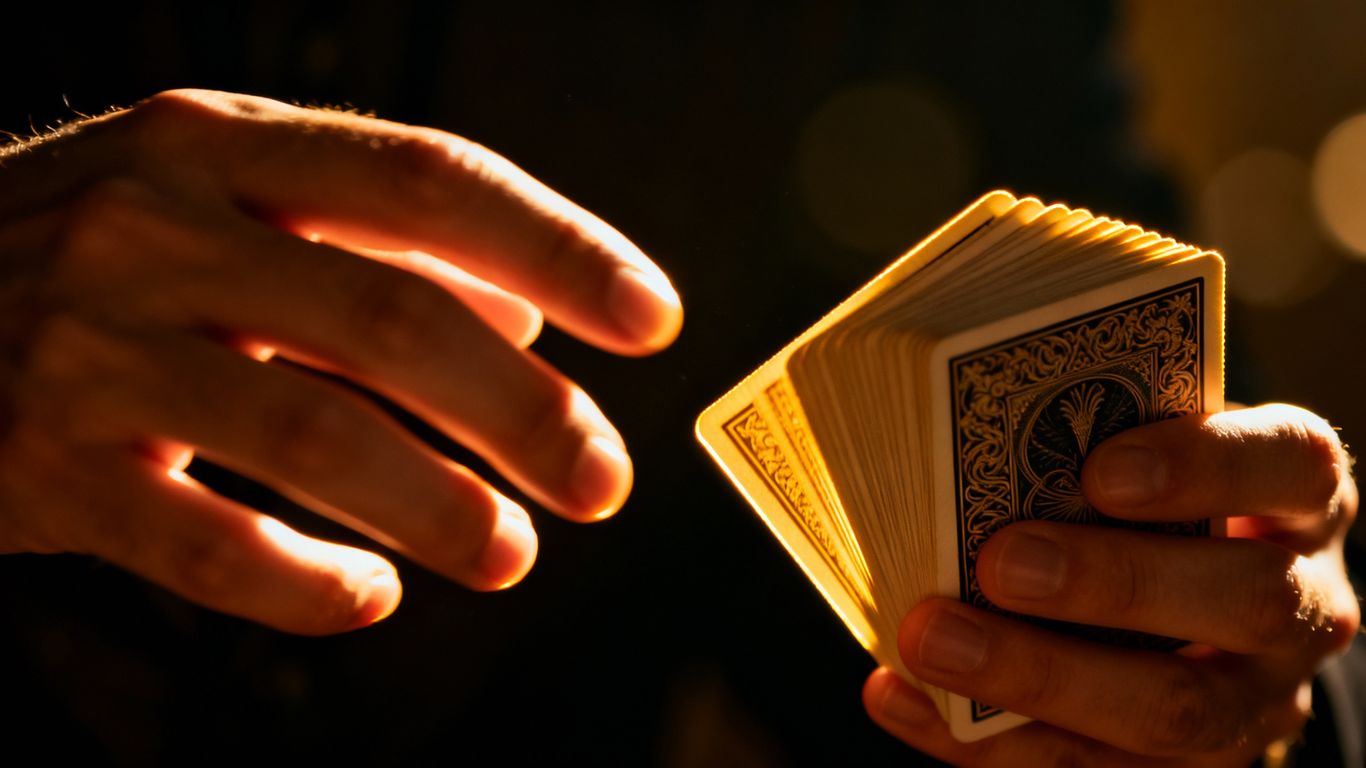
We often think of magic as grand illusions on a big stage. But there’s a special kind of wonder that happens up close. We’re talking about the kind of magic that happens right in front of your eyes, where the ordinary becomes extraordinary. It’s about those small moments that stick with us, turning a regular gathering into something memorable. These close up magic tricks show us that the most powerful magic can be found in the simplest things.
Key Takeaways
- We can make everyday items seem magical. A simple coin or a deck of cards can become the focus of amazing close up magic tricks, showing that wonder is all around us.
- Connecting with people is key. Magic performed up close isn’t just about the trick; it’s about the shared experience and the bond created through surprise and delight.
- These moments create lasting memories. The feeling of seeing something impossible happen right before your eyes, especially with someone you know, stays with you long after the trick is done.
Elevating Everyday Objects in Close Up Magic Tricks
We often think of magic as something grand, involving elaborate props and stages. But in close-up magic, the real wonder often comes from the ordinary. We take things we see every day – a coin, a deck of cards – and make them do the impossible, right before your eyes. It’s about transforming the mundane into something extraordinary, making you question what you thought you knew about the world around you.
The Humble Coin’s Transformation
Coins are everywhere. We use them for change, for vending machines, sometimes just to fidget with. In our hands, however, a simple coin can become a vehicle for astonishment. We can make them appear from thin air, vanish without a trace, or even pass through solid objects like a table. The magic isn’t in the coin itself, but in how we manipulate perception. It’s a subtle art, requiring practice and a deep understanding of misdirection. We might show you a coin, place it in your hand, and then, with a simple gesture, reveal your hand to be empty. The surprise comes from the sheer impossibility of it, happening just inches away.
- Vanishing: Making a coin disappear completely.
- Appearing: Producing a coin from an unexpected place.
- Transposition: Moving a coin from one hand to another, or even through a surface.
The beauty of coin magic lies in its accessibility. Everyone has seen a coin, so everyone can relate to the object. When that familiar object behaves in an unfamiliar, impossible way, the impact is immediate and profound.
Cards That Tell a Story
A deck of cards is more than just pasteboard and ink. For us, it’s a narrative tool. We can use a deck to predict your choices, find a card you merely thought of, or even arrange themselves into a meaningful pattern. It’s not just about finding your chosen card; it’s about the journey we take together to get there. We might shuffle the deck, have you select a card, and then, without looking, sort through the deck to reveal yours. Or perhaps we’ll have a series of cards spell out a name or a date significant to you. The storytelling aspect makes the trick personal and memorable. We aim to create a moment where the cards seem to have a mind of their own, guided by an unseen force that connects directly to you.
The Power of Personal Connection in Close Up Magic
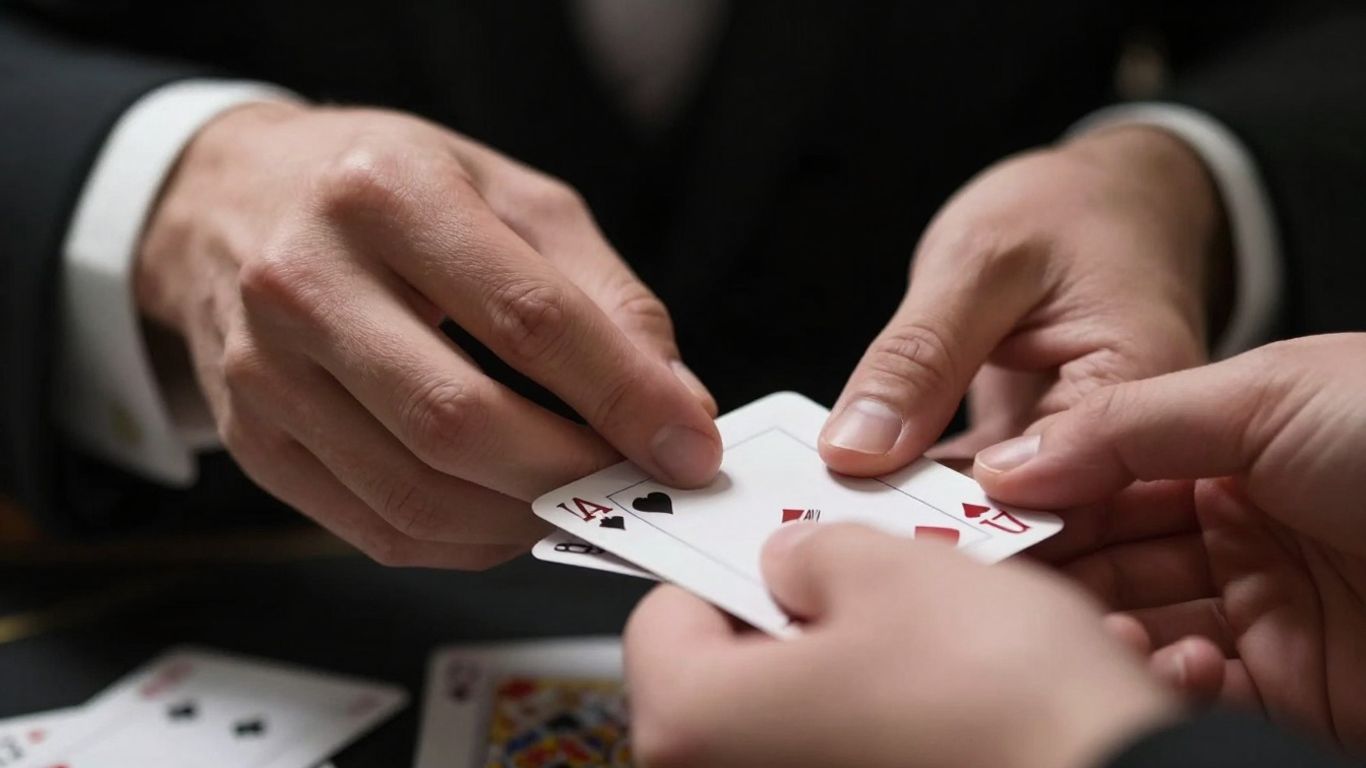
When we perform magic up close, we’re not just showing tricks; we’re building bridges. It’s about that moment when the impossible happens right in front of someone’s eyes, and you share that gasp, that smile. This shared experience is the real magic. We find that the most memorable performances aren’t about the complexity of the illusion, but about the human element we bring to it.
Building Rapport Through Wonder
It starts the moment we approach a table or a small group. Our initial interaction sets the tone. A warm greeting, a genuine smile – these simple things make people feel comfortable. Then, as the magic begins, we watch their reactions. We see the curiosity in their eyes, the slight lean forward, the way they might nudge their friend. We aim to create an atmosphere where they feel like active participants, not just spectators. It’s about making them feel seen and engaged.
Here are a few ways we approach this:
- Start with a simple, relatable observation: Comment on something lighthearted about the setting or the group. This breaks the ice naturally.
- Gauge their comfort level: Some people are immediately enthusiastic, others are more reserved. We adjust our approach accordingly, never pushing too hard.
- Use their names: If appropriate, incorporating a guest’s name into the routine makes it feel personal and special.
- Maintain eye contact: This is key to showing we’re present and connecting with them individually.
We’ve noticed that when we focus on making the person feel like the star of the moment, the magic lands with much greater impact. It’s less about fooling them and more about sharing a moment of pure astonishment together.
Creating Shared Memories
Think about the last truly amazing thing you saw. Chances are, you remember who you were with and how it made you feel. Close-up magic offers a unique opportunity to create these kinds of lasting impressions. We’re not just performing for an audience; we’re helping to craft an experience that people will talk about long after we’ve gone.
We often see groups come together, strangers who were perhaps a little awkward at first, united by the shared wonder of a trick. They laugh together, they point, they try to figure it out – and in doing so, they connect with each other, too. It’s a beautiful thing to witness and be a part of.
Consider these points:
- The ‘Wow’ Factor: A well-executed piece of magic creates an immediate, shared emotional response.
- The Conversation Starter: The trick itself becomes a topic of discussion, encouraging interaction within the group.
- The Lingering Feeling: People often leave with a sense of joy and a story to tell, associating that positive feeling with the event and the performers.
Ultimately, the goal is to leave people feeling a little lighter, a little more amazed, and perhaps a little more connected to those around them. That’s the true power of personal connection in our work.
The Lasting Impression
So, as we wrap up, we’ve seen how those tiny moments, the ones we might overlook, are actually the heart of close-up magic. It’s not just about the trick itself, but the little things that happen around it. We can learn a lot from paying attention to these details. They’re what make a performance stick with people long after the show is over. We should all try to find and appreciate these small bits of magic in our own work, because that’s where the real connection happens. It’s the quiet nod, the shared glance, the tiny pause that makes all the difference. Let’s keep looking for them.
Frequently Asked Questions
How can we make ordinary things seem amazing in close-up magic?
We can take everyday items, like a simple coin or a deck of cards, and perform incredible feats with them. For instance, a coin might appear to vanish into thin air or multiply right before your eyes. With cards, we can create illusions where they seem to know what you’re thinking or arrange themselves in impossible ways, turning the familiar into something truly magical.
Why is talking to the audience so important in close-up magic?
Connecting with the people watching is a huge part of our act. When we share a moment of surprise and wonder together, it builds a special bond. It’s not just about the trick itself, but the shared experience. This connection helps create lasting memories for everyone involved, making the magic feel more personal and impactful.
What’s the main idea behind focusing on small moments in magic?
The magic we create often happens in those brief, unexpected instances. Think about the gasp when something impossible occurs, or the smile when a connection is made. By focusing on these tiny, powerful moments, we can make a big impression. It’s about making the ordinary extraordinary, one small, amazing instant at a time, and sharing that feeling with our audience.
